Men’s Wardrobe-to-Outfit Toolkit: Plan Your Style
Getting dressed can feel surprisingly complicated when your closet is full but your options seem limited. The answer is not necessarily more clothing. Often, it starts with understanding what you already own, what fits your life, and how individual pieces can work together. For more guidance, see Historical Resources – Fashion Industry.
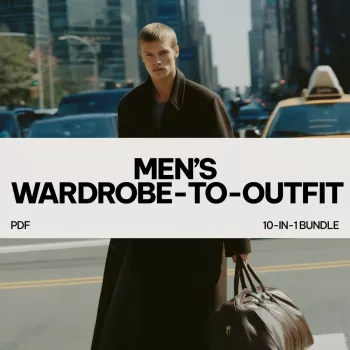
Our Men’s Wardrobe-to-Outfit Toolkit is a practical starting point for men who want a more intentional wardrobe and an easier approach to planning outfits. The 10-in-1 bundle brings together guides, eBooks, and checklists you can explore as you consider your own clothing choices. Here are a few ways to begin putting that mindset into practice. For further reading, see Business Attire Guide.
A More Useful Approach to Your Wardrobe
A useful wardrobe is not defined by its size. It is one that gives you comfortable, appropriate options for the occasions you actually encounter. Before shopping for something new, take stock of the clothes you reach for regularly and the pieces that rarely leave their hangers.
Our approach is to start with what is already available, then make additions deliberately. That might mean finding a new combination among familiar items, repairing a favorite shirt, or identifying one missing piece that would make several outfits more practical.
The toolkit’s collection of guides, eBooks, and checklists offers a place to start if you want resources alongside that process. You can use your own schedule, preferences, and budget to decide which wardrobe questions matter most to you.
Start with What You Already Own
Set aside some time to sort your clothing by how often you wear it. Separate regular favorites from occasional pieces and items you have not worn in a while. Then consider the occasions each group serves: workdays, relaxed weekends, social events, or more formal gatherings.
Look closely at three things before deciding what to keep, repair, or replace:
- Fit: Can you move comfortably, and does the garment sit the way you prefer? Try it on rather than relying on the size label alone.
- Condition: Check for worn fabric, loose buttons, stains, and damaged seams. Some issues may be worth repairing; others may signal that a replacement is due.
- Compatibility: Can you wear the piece with other clothes you own? A shirt that works with several pairs of pants may be more useful than one that needs an entirely new outfit.
Keep occasional clothing in context. A suit or formal shirt may not be worn every week, but it can still earn its place if it fits and serves an event you attend. For pieces you no longer need, consider reuse or donation when appropriate. The U.S. Environmental Protection Agency’s textile information provides context on textile waste and recycling.
Turn Individual Pieces into Outfits
Once you know what is in your wardrobe, build combinations around an occasion rather than a single garment. Start by asking where you are going and what level of formality feels appropriate. From there, choose pieces that fit comfortably and make sense for the weather.
A cohesive color palette can make combinations easier. You do not need to limit yourself to neutral colors, but starting with colors you already like and wear often can help you see which pieces belong together. Lay items out or try them on together, then notice whether the shoes and outerwear support the same overall level of dress.
These combinations are general styling ideas, not confirmed contents of the toolkit:
| Occasion | Starting combination | Finishing consideration |
|---|---|---|
| Casual day | Well-fitting jeans and a plain T-shirt | Add clean, comfortable shoes |
| Smart casual | Chinos and a collared shirt | Choose a layer suited to the weather |
| Dressier event | Tailored trousers and a dress shirt | Match the formality of shoes and outerwear to the event |
When you find a combination that works, remember it for another day. A short note or a quick photo can make it easier to repeat the outfit without starting from scratch.
Use Checklists to Make Thoughtful Choices
A checklist can turn a broad wardrobe review into a series of manageable decisions. For example, you might note which clothes need repairs, which occasions lack suitable options, and which pieces are difficult to combine. Patterns can reveal a genuine gap rather than a passing urge to buy.
Before adding an item, consider how it fits, how often you expect to wear it, and whether it works with several pieces already in your closet. Think about care requirements, too: a garment that needs frequent special cleaning may not suit your routine. These considerations can help you compare options, although no checklist can guarantee a particular result.
Explore the Toolkit
Our Men’s Wardrobe-to-Outfit Toolkit is a 10-in-1 bundle of guides, eBooks, and checklists. It is listed at $429.99 USD; visit the product page for current purchase details. Explore the bundle and consider whether it suits your wardrobe goals and the way you like to plan.
If you are also looking for a separate resource for organizing meals, our Your Ready-to-Serve Family Meal Week is another option to explore.
FAQ
Who is the Wardrobe-to-Outfit Toolkit for?
The toolkit is an option for men seeking guidance on wardrobe and outfit planning. You do not need a particular skill level to consider it.
What is included in the bundle?
It is a 10-in-1 bundle of guides, eBooks, and checklists.
How much does the toolkit cost?
The listed price is $429.99 USD. Visit the product page for current purchase details.











Leave a comment